
Training tips
Workouts for more speed endurance
If you want to achieve your best possible performance in competition, you have to work on the “bite” and get used to a certain speed endurance.

We present several variations that guarantee lots of speed and minimum boredom during your training sessions.
Weekly interval training is the key to getting faster. Since our bodies get used to the same level of intensity after a few weeks, variation is crucial. This is how to get the most out of your training sessions. We present several variations that guarantee lots of speed and minimum boredom during your training sessions.
Interval training is one of the most effective ways to get faster at a sport, no matter whether it's on foot, bike or in the swimming pool. That’s why interval training forms a standard part of the training plan for ambitious athletes - from recreational athletes to Olympic champions.
Interval training involves alternating between maximum effort and active recovery. The recovery period is kept short so that the body can prepare for the next interval even though it hasn't fully recovered. This produces greater training stimulus that is easier to manage than if you put the same amount of effort in all at once. The benefits: Unlike with a gentle training session, you can improve your competition performance. And, unlike intensive endurance sessions, you can work at a high intensity without negatively impacting your body.
To get the best from your body, interval training needs to be regular and, above all, varied, to prevent your body from getting used to it. The following five rules apply to interval training:
Interval training requires a good basic level of endurance and sufficient training experience. Since ‘proper’ interval training involves exercising at high intensities, you should understand your body and listen to it. You can estimate the intensity using the RPE scale (rate of perceived exertion).
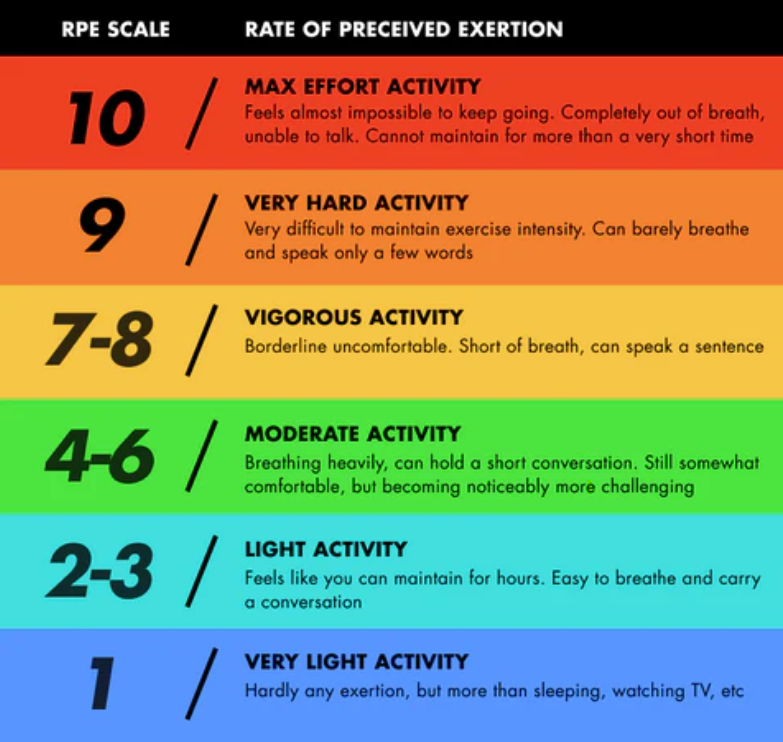
The following intervals are aimed at ambitious athletes with several years of interval experience. The recommended zone is based on the RPE scale:
On foot (running):
By bike (cycling):
In the water (swimming):
If you want to achieve your best possible performance in competition, you have to work on the “bite” and get used to a certain speed endurance.

The less time spent in contact with the ground, the faster your speed. The following three exercises will help you minimise your contact time with the ground and increase your running speed.
