
Diet tips
Is alcohol detrimental to sports performance?
Alcoholic beverages are particularly prevalent in sport and society. What impact do they have on performance and recovery?

There is a difference between a generally healthy diet and specific nutrition prior to physical exercise. What is the ideal nutrition before a tough or easy training session at lunchtime or in the evening?
There is a difference between a generally healthy diet and specific nutrition prior to physical exercise. What is the ideal nutrition before a tough or easy training session at lunchtime or in the evening?
Pre-training nutrition has two main purposes: It provides the energy needed for a high-quality training session and also reduces hunger and indigestion during the session. Increased stress and an intense workload are common reasons for issues in the gastrointestinal tract. That’s why it is particularly important to develop good strategies for preventing such problems.
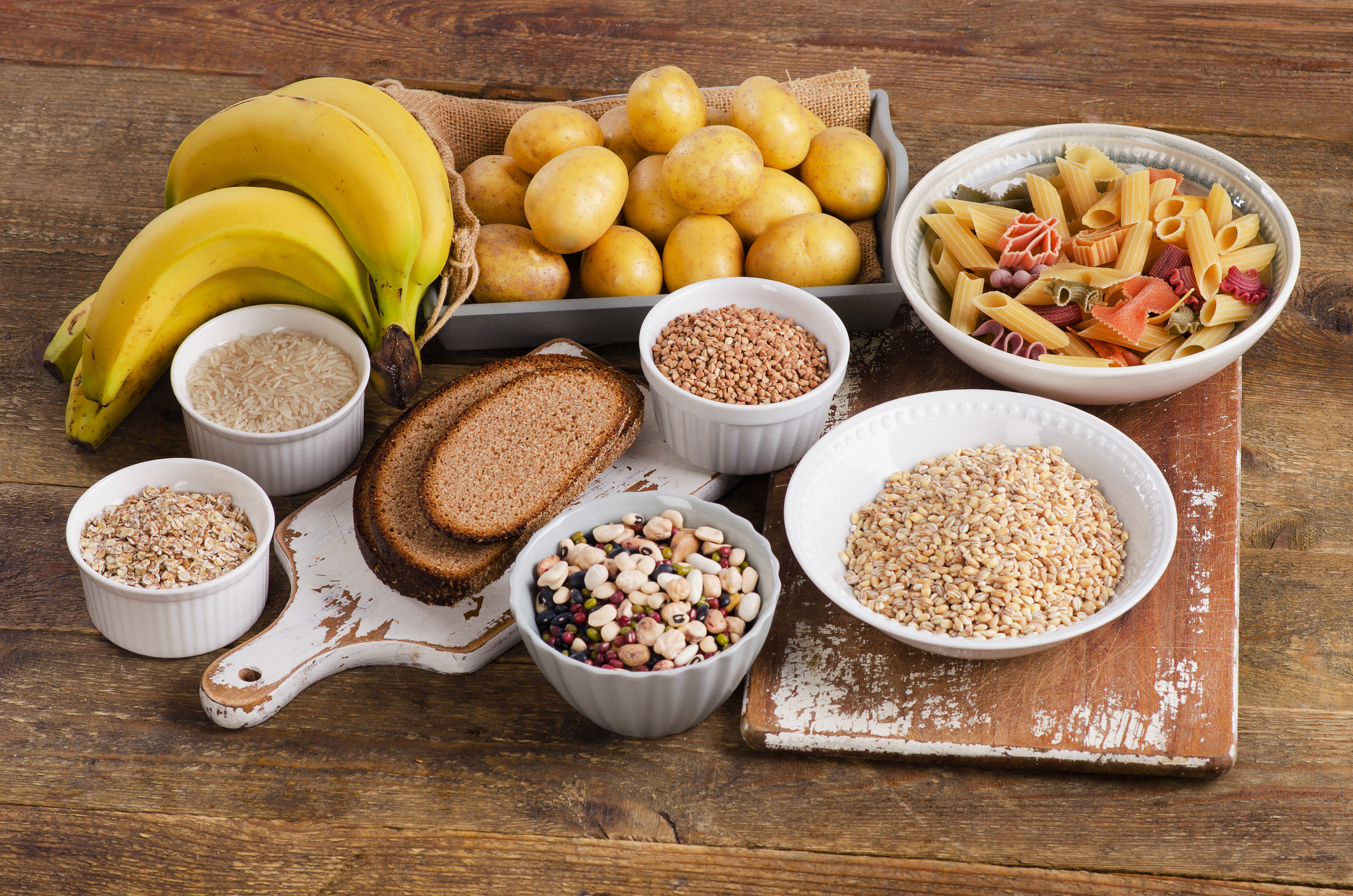
Carbohydrates are the primary source of energy for high-intensity sessions. They are stored as glycogen in the muscles and liver. By consuming carbohydrates at mealtimes and as snacks, you can replenish these stores. During exercise, energy is then taken from these stores. The energy required is taken directly from the ‘action site’ in the muscles.
If insufficient energy is available in the form of carbohydrates, fatty acids are then used to supply energy instead during low and moderate-intensity exercise. However, since this form of energy is released more slowly, carbohydrates are preferable for high-intensity sessions. A lack of carbohydrates – e.g. in the muscles or via external intake – means you will need to reduce the intensity at the expense of training quality. That's why it is worth stocking up your energy reserves with carbohydrates before a high-intensity session.
The food eaten before training can only have the desired effect once it has been digested and the nutrients and energy have been absorbed by the body. In light of this, it is crucial to keep in mind that the stomach contents are not yet available to the body. Nutrients are only absorbed in the intestines (i.e. after they have passed through the stomach).
Anything left in the stomach while exercising can cause burping or nausea. The digestion time depends on the type and amount of food. This can take anywhere between a couple of minutes to several hours. It is therefore necessary to experiment somewhat to figure out the best time to eat. Bear in mind: Food is often tolerated better in sports with less impact on the body (such as cycling) than for running, where each step ‘strikes’ the gastrointestinal tract. The following factors influence the digestion time or the gastric emptying rate:
Before easier sessions
Less energy is required during easier and shorter training sessions than for higher intensity sessions. Ensuring that enough carbohydrates are consumed is therefore less crucial to performance while training. However, it is recommended to eat a small snack such as fruit, a bread roll or energy bar at lunchtime or before dinner to stave off any hunger pangs. Here, too, the individual digestion time is important for preventing indigestion.
Before intensive sessions
As previously mentioned, energy is essential for high-quality, intensive training sessions. Our metabolism produces the most energy if enough carbohydrates are available in the muscle and liver's glycogen stores. It’s therefore important to consume enough carbohydrates during your previous main meal (breakfast or lunch).
But how much carbohydrate is enough? Depending on the intensity and duration of the training session, as well as individual requirements, this is around 1 to 2 grams of carbohydrates per kg of body weight. If you are prone to indigestion, you should also aim to reduce the fibre and fat content. For example, white bread is lower in fibre than oats. If necessary, you can also consume a high-carb snack approximately 30 to 90 minutes before the session.
Meal examples 3-4 hours before training
Snack examples 1-2 hours before training
Snack examples less than 1 hour before training
For intensive training sessions, the type of nutrition consumed in the hours before exercising (carbohydrate, digestion, intake) and its impact on the digestive system is crucial. It’s worth coming up with your own strategy to maximise your high-intensity training sessions while preventing any digestive issues.
Alcoholic beverages are particularly prevalent in sport and society. What impact do they have on performance and recovery?

...although wholegrain bread is healthy, you shouldn’t always eat it for breakfast?
