
Training tips
The final week - less is more
Many athletes are uncertain as to what they should still do in the final week before a longer running event. The most important tips.

...although wholegrain bread is healthy, you shouldn’t always eat it for breakfast?
...although wholegrain bread is healthy, you shouldn’t always eat it for breakfast?
Bread is a breakfast staple in many households. There are many types to choose from, with more than 200 varieties in Switzerland. However, not all bread that looks good, smells great and has a nice crust is suitable for a healthy lifestyle. Particularly for athletes, wholegrain bread isn't always better than white bread.
The main difference between wholegrain and other types of bread lies in the production method and ingredients used: bread made from white flour mostly contains simple carbohydrates in the form of starch and sugar. When the grain is being milled, most of the husk layers and seeds are completely removed so that only the pure, white kernel remains which consists almost exclusively of carbohydrates.
The opposite applies to wholegrain bread, as at least 90 percent of it is flour that still has all parts of the grain. The more husk that remains after grinding, the more fibre, vitamins and minerals contained in the flour.
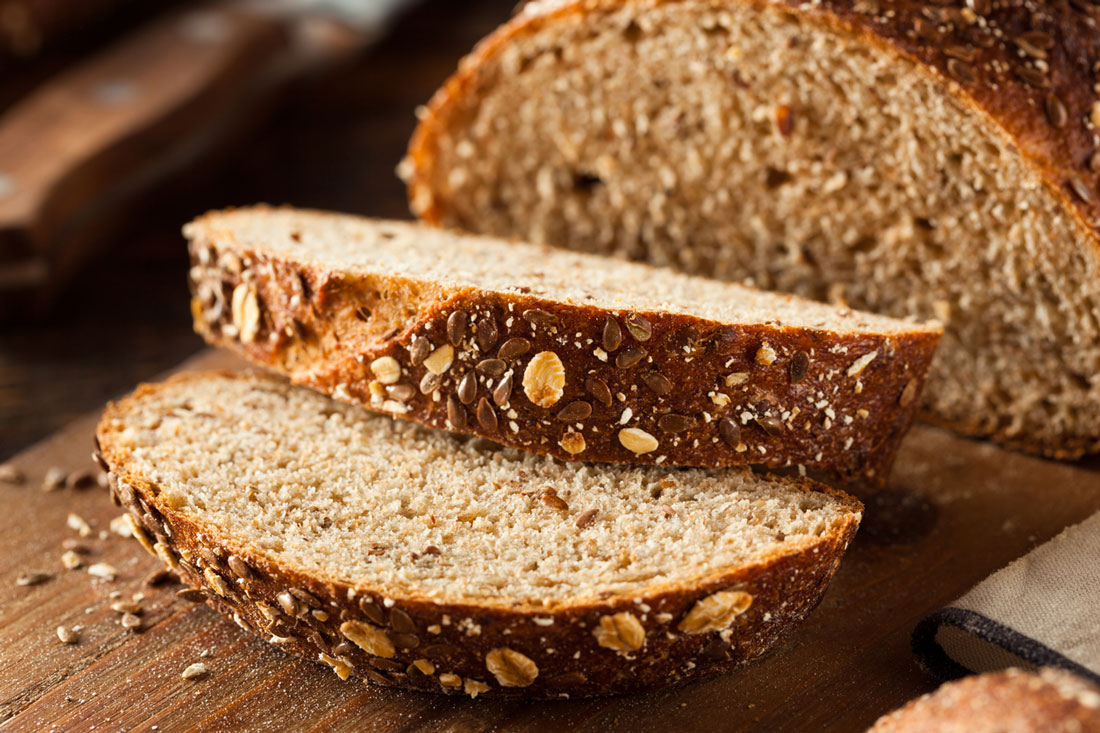
Wholegrain bread has five benefits that make it a great choice for a healthy diet.
In addition to choosing the right bread, our entire diet should be tailored towards a healthy lifestyle. If you're eating wholegrain bread for breakfast but then drinking lots of sweetened fruit juice and/or too many sugary foods, this then counteracts the positive health benefits of the wholegrain bread.
For athletes, it is particularly important to remember that while whole foods are generally healthy and recommended, this can look a little different in a sporting context. Prior to a tough training session or competition, we need to supply our bodies with carbohydrates and go easy on the stomach. For two days prior to strenuous and endurance-based physical activity, it is therefore important to place less strain on your digestive system and avoid foods rich in fibre such as wholegrain bread.
The following rule applies during exercise: the more intensive and longer the activity, the less capacity the stomach has to digest food, because oxygen needs to be transported to the muscles instead. Likewise, a liquid-based diet is usually better during a marathon run, as the stomach doesn’t need to work as hard. Even when it comes to bread, you can swap healthy wholegrain bread for white bread prior to intensive exercise as this delivers carbohydrates faster and places less strain on the gut.
A final tip: our stomachs all respond differently to physical exertion. It’s best to test your ideal breakfast before sport several times before heading into a competition.
Many athletes are uncertain as to what they should still do in the final week before a longer running event. The most important tips.

Butter braid and croissants? Muesli with fruit? Or just coffee? The best tips that physically active people should keep in mind when choosing the right breakfast for their everyday sports routine.
