
Interviews
Interview with Fabienne Schlumpf
Following Rio (2016) and Tokyo (2021), Fabienne Schlumpf participated in her third Olympic Games in Paris. The 34-year-old from the Zurich highlands achieved an excellent 16th place.

After the race is before the race, even though you might not feel like that straight afterwards. The following tips are the best way to recover from the exertion and lay the foundations for a successful competition next time around.
After the race is before the race, even though you might not feel like that straight afterwards. The following tips are the best way to recover from the exertion and lay the foundations for a successful competition next time around.
Those who compete in a race often fight to the very last metre and try to get the maximum out of themselves. They focus on putting all of their energy into simply reaching the finish line – and not beyond. The sense of joy and satisfaction are great, as is the relief.
They then walk over to their family and friends, have a chat and sip some water or a sports drink. Then it's on to the cloakroom before finally heading to the event grounds to eat. While these are all understandable reactions, they aren’t ideal in terms of recovery.
To help you recover as best as possible, you should consider the following three tips. After all, the first one to three hours after a race are critical to the recovery process.
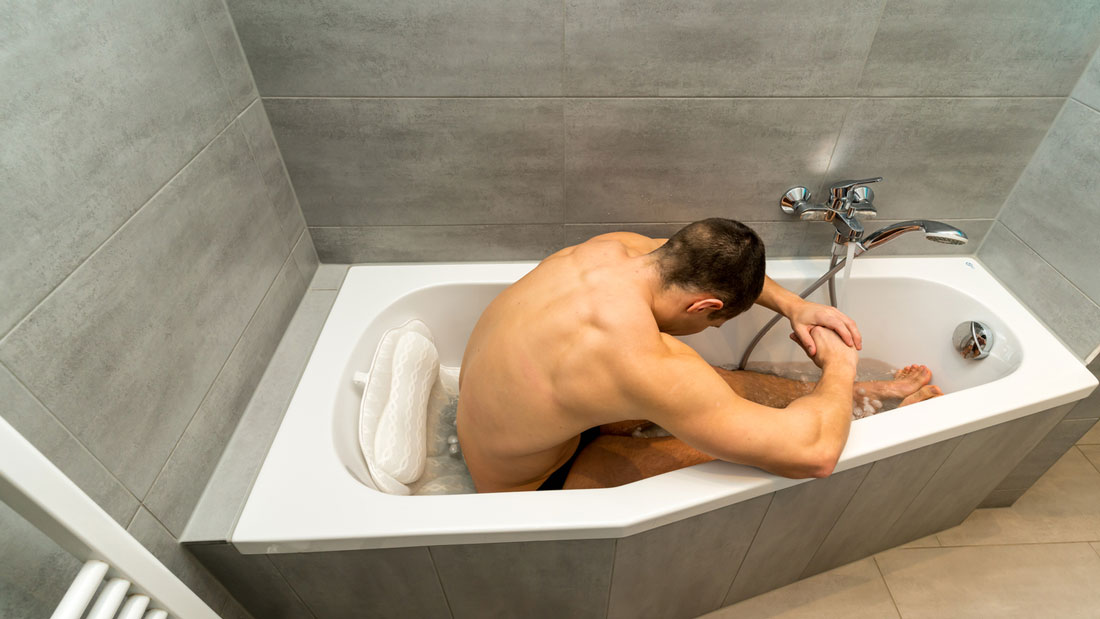
The three points mentioned are a good start immediately after a race. However, you can take additional measures to recover better and faster in the hours that follow:
It is also advisable to continue prioritising your recovery over the next few days. As a rule of thumb, plan one day of recovery for each race mile (1.6 km) before running intensively again. After a 10 km run, this is 6 days and after a half marathon this would be 13 days.
Following Rio (2016) and Tokyo (2021), Fabienne Schlumpf participated in her third Olympic Games in Paris. The 34-year-old from the Zurich highlands achieved an excellent 16th place.

Many athletes’ secret to success is that, alongside training for their main discipline, they also regularly do alternative forms of training. The results speak for themselves – and should motivate you to take a more rounded approach too.
