Starting jogging: on your marks… get set… oh dear!
Christian Larsen
Many good intentions come to an abrupt end when you suddenly experience pain and discomfort while jogging. Medical Running shows you how to succeed at the start.
Many good intentions come to an abrupt end when you suddenly experience pain and discomfort while jogging. Medical Running shows you how to succeed at the start.
Physically inactive people now make up over 30% of the population. They are not – as one might mistakenly assume – couch potatoes or even people who refuse to do sports. On the contrary: the great majority of non-athletes have a positive attitude towards sports. Around three-quarters used to do sports and almost half would like to start doing it again.
In other words: ¾ of a million Swiss people would love to do sports again. They are deterred by professional and family responsibilities, stress and a lack of time, incorrect loading and sports injuries (400,000 per year). Running could fill in precisely this gap! Jogging is almost always possible anywhere – so open the door and let’s go! Half an hour in the morning before work or at lunchtime – 2-4 times a week. However: you will need to observe a few safety rules if you have been physically inactive all your life or haven’t done sports for a long time. Your body needs time to get used to new loads.
1. Cardio check: for those who are aged 40+, haven’t done sports for more than 10 years or are prone to chronic diseases / risk factors such as obesity, high blood pressure, etc.
2. Walking: brisk walking improves your physical fitness. Those who are not able to walk at a brisk pace for two hours should wait before they start jogging.
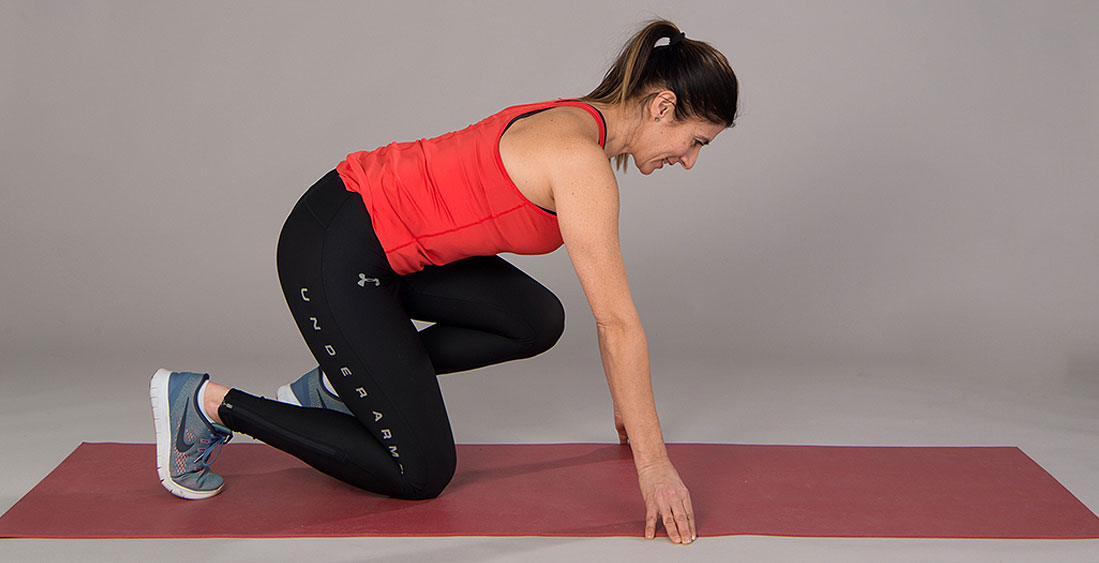
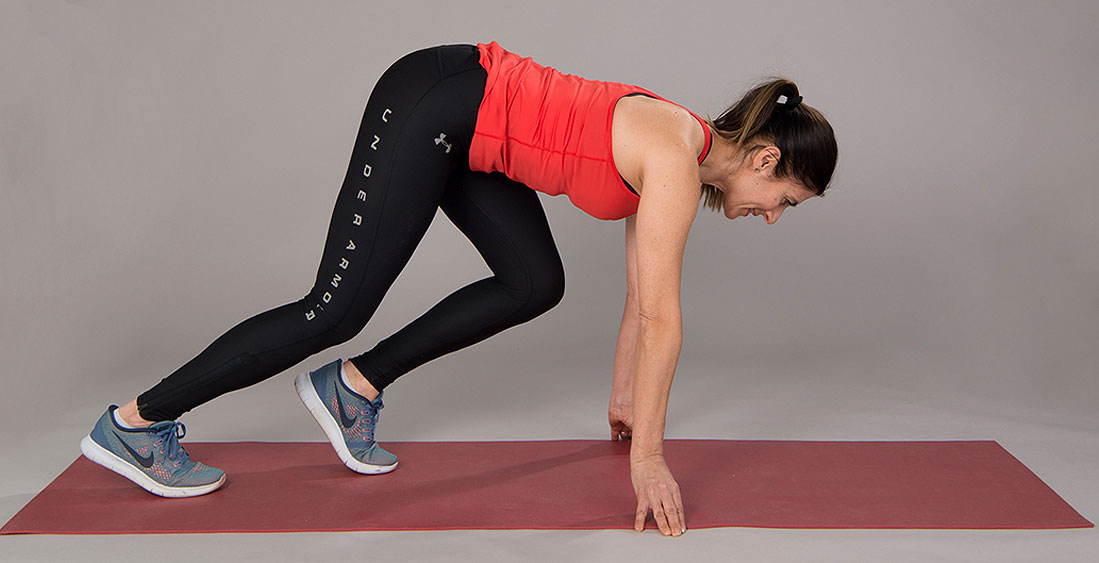
3. Leg axes: when jogging, the most common injuries and overloads affect the muscles and ligaments in the feet and legs. Exercise 1 will help you to load your legs and feet in an anatomically correct way.
4. Stair training: going upstairs trains the heart, going downstairs the leg muscles. When jogging, the feet and legs are loaded with three times your body weight. Stairs are ideal preparation for jogging and are easy to incorporate into everyday life.
5. «Interval training»: walk for two minutes, jog for one – repeat alternately. Run slowly! The pace is not much faster than walking - there is only a change in your gait.
6. The goal: 30 minutes in 2-6 months: start with 10 minutes of «interval training», then 15, then 20, then 30 minutes. Once you manage 30 minutes of «interval training», begin to shorten the walking intervals and omit them gradually – until you can finally run slowly for half an hour without a break. How long will it take until you manage 30 minutes? Depending on your age, body weight and physical fitness, somewhere between 2-6 months. Learn to rely on your instinct (not your head). Fear and ambition are both in the mind. Your body knows best what is good for it.
7. Frequency: regularity is key – 2 to 4 times a week. Each time you take a prolonged break you’ll end up back at «square one».
8. 6-month rule: muscles can be trained within 3 months, ligaments and tendons need 6 months until they are strong enough for tensile loading. In the period between the 3rd and 6th month, you will be setting the course for sustainable, injury-free jogging. As the dictum goes, «Start slow to go far». Wait 6-12 months(!) before you think about athletic performance and fully using your muscle strength.
9. Boosting performance: if you want to improve your performance after 6-12 months, please do so in the following order:
2.
First increase your jogging frequency from 2 to 4 times a week
4.
Then increase your jogging duration from 30 minutes to 60 minutes
6.
And only then – at the end – should you increase the tempo.
10. Additional rule: whenever complaints arise, please reduce the load duration and intensity by at least one level. If this doesn’t help, seek expert advice from a doctor or sports therapist you trust.
Vous pourriez être intéressé par
Training tips
The 6 best strength exercises for runners
The importance of muscle strength with regards to running performance is frequently underestimated – despite the fact that there are now several studies which have clearly demonstrated the positive effects of strength training.
Training tips
The 6 best exercises for flexibility
Certain muscles tend to shorten, whereas other muscles become weaker. It is therefore all the more important to know which muscles need to be stretched and which need to be strengthened.
General tips
Jumping rope: high intensity training at half load
Jumping rope on a regular basis provides the perfect link between walking and running. It prepares your body for the running season in a targeted manner and will bring your running style to the next level.