
Interviews
Interview with Judith Wyder
After five orienteering World Championship titles, Judith Wyder started a second career as a trail runner and immediately shook up the scene.

Trail running is on everyone's lips. Gabriel Lombriser, national trail running coach, explains why and gives the most important tips.
Trail running is on everyone's lips. Gabriel Lombriser, national trail running coach, explains why and gives the most important tips.
Why the fascination with «trail running»?
It’s the simplicity of the sport that makes it so attractive. All I need - at least for shorter training units or trips - is a pair of running shoes and into nature I go. And because the topography, ground and weather offer me abundant variety, no two steps are the same. The positive side effect is that I can switch off very quickly and easily, yet still be in touch with myself because I need a high level of concentration at all times.
Furthermore, unlike «normal» running, I usually have a goal with a summit and peak experience. The adventure factor is correspondingly high, as I often get to places I never would when hiking or mountain biking.
When is a trail a trail?
This question keeps popping up. For me, a trail is a trail when it's not a paved path. A gravel path is therefore not a trail for me. However, such paths are naturally always part of a training unit or running day. Hardly any running tours have 100% single trails.
What makes running on trails so special with regard to the load on the musculoskeletal system?
Due to the diversity of the trail, the load on the muscles is far less than with a road run. I too of course can get a lot of sore muscles when running off-road, especially on long downhill passages for which my body is not yet primed for. However, especially after long competitions, the muscles recover faster than after a long road race such as a marathon. Whereas after a marathon you really need to recover well for several weeks in order to rebuild your entire body structures, the recovery phase after a trail running competition of the same duration is much shorter. However, there is no rule of thumb here, and it always depends on your running level, experience, age, and load tolerance.
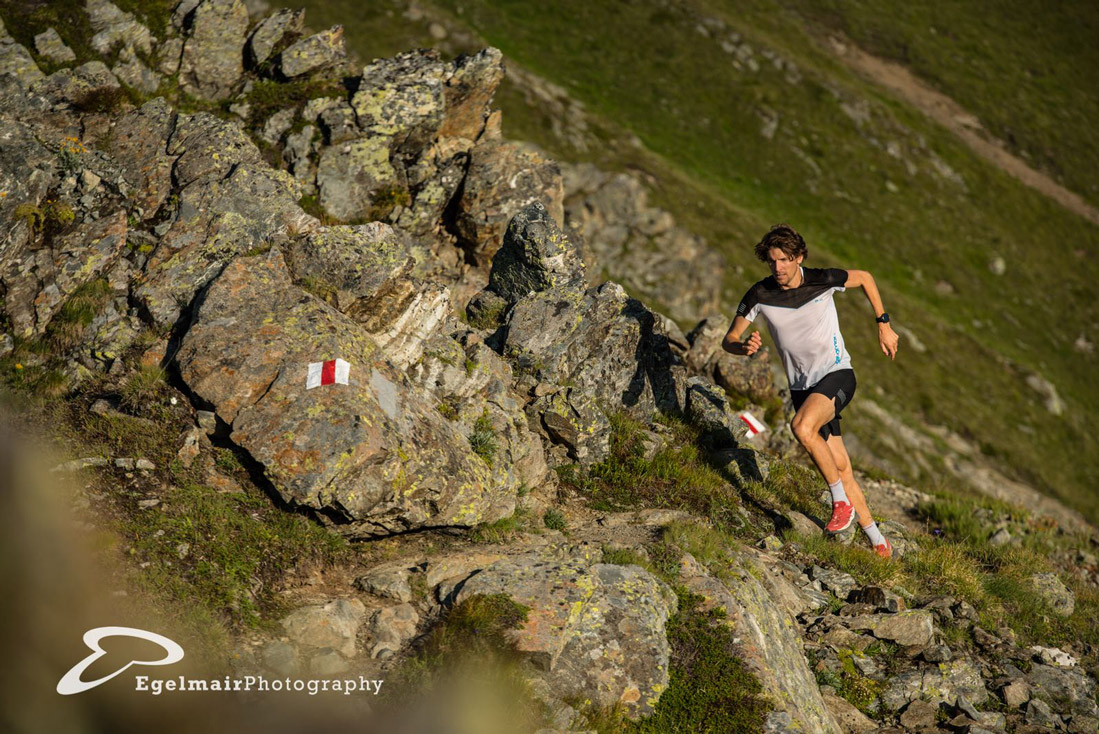
What is the best way to prepare for a trail running competition?
It doesn't have to be a competition right from the start. If you want to start trail running, you should approach the challenges slowly and gradually make the training routes more difficult:
Furthermore, it is always worth talking to experienced runners and running with them on the trails. A trail running course can also be very worthwhile for beginners as well as advanced runners.
What special equipment do you need?
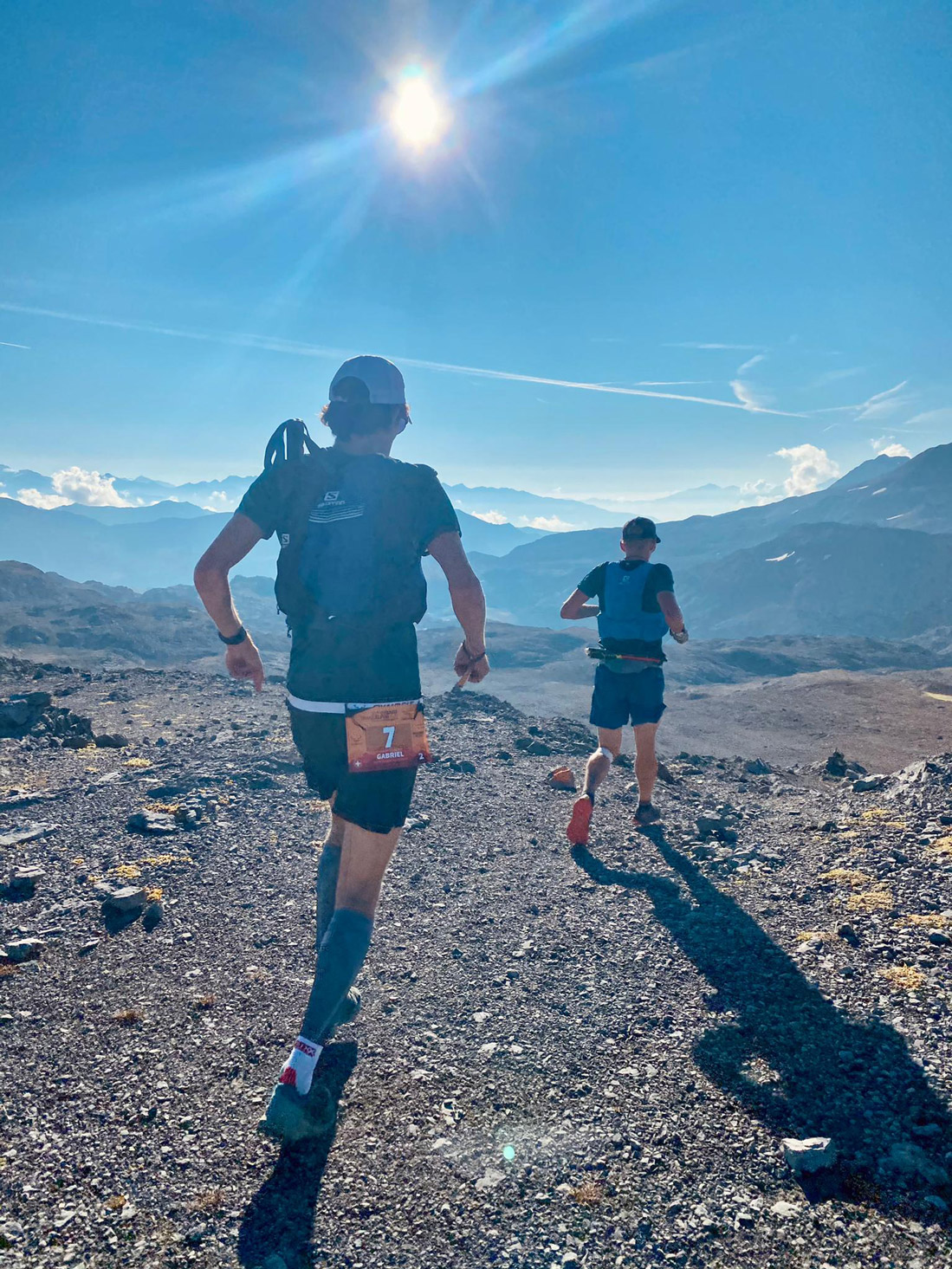
The equipment should always be adapted to the environment. For a short training unit from home, I usually don't need more than my trail running shoes. As soon as I'm running in alpine terrain, I absolutely need a trail running backpack, or a running vest for:
One more word on shoes: a good trail running shoe has a good profile: the profile can vary in height depending on the ground and difficulty of the trails. As a rule, a trail running shoe should be relatively straight to give you a good feel for the ground. Thick soles or firmly cushioned shoes are usually not so suitable. I like to feel I’m running like a chamois and not like a tractor.
After five orienteering World Championship titles, Judith Wyder started a second career as a trail runner and immediately shook up the scene.

28 events are in our calendar this year. Let yourself be inspired by our overview.
